Finding the right recovery treatment resource in Santa Monica can be overwhelming given the variety of options available. Whether you are seeking detox, inpatient care, outpatient programs, or support groups, it’s essential to compare and verify providers carefully to ensure safe and effective care. This guide offers practical advice on how to evaluate recovery resources in Santa Monica, including key questions to ask, verification tips, and a checklist to help you make informed decisions that support your journey toward lasting wellness.
Understanding Different Types of Recovery Resources in Santa Monica
Recovery resources in Santa Monica range from medically supervised detox and inpatient treatment to outpatient programs and peer support groups. Detox and withdrawal management require qualified medical supervision to safely handle symptoms and reduce risks. Inpatient care offers structured environments for intensive therapy, while outpatient programs provide flexibility for those balancing recovery with daily responsibilities. Support groups like 12-step meetings or peer-led gatherings offer community and accountability. Knowing the type of service you need helps narrow your options and focus your comparison efforts.
Key Questions to Ask Recovery Providers
When contacting recovery centers or programs in Santa Monica, asking the right questions ensures you gather essential information. Consider these questions:
- Is the program licensed and accredited? Licensing by California health authorities and accreditation by recognized organizations indicate adherence to quality standards.
- What types of treatment modalities are offered? Understand if they provide evidence-based therapies, medication-assisted treatment, or holistic approaches.
- Are medical professionals involved in detox and withdrawal management? Qualified medical supervision is critical during detox to ensure safety.
- What is the staff-to-patient ratio? This affects the level of personalized care you can expect.
- How is aftercare or relapse prevention handled? Ongoing support is vital for sustained recovery.
- Does the program coordinate with local resources like 988 crisis services or SAMHSA? Integration with these organizations can enhance support options.
Checklist for Comparing Recovery Treatment Resources
Use this checklist when evaluating recovery providers in Santa Monica to keep track of important factors:
- Licensing and Accreditation: Confirm current status with California Department of Health.
- Medical Supervision: Verify presence of qualified medical staff, especially for detox.
- Range of Services: Detox, inpatient, outpatient, counseling, medication-assisted treatment.
- Staff Credentials: Credentials and experience of therapists, counselors, and medical personnel.
- Program Philosophy: Evidence-based, holistic, faith-based, or other approaches.
- Aftercare Support: Availability of relapse prevention, sober living referrals, and peer support.
- Insurance and Payment Options: Accepted plans and financial assistance availability.
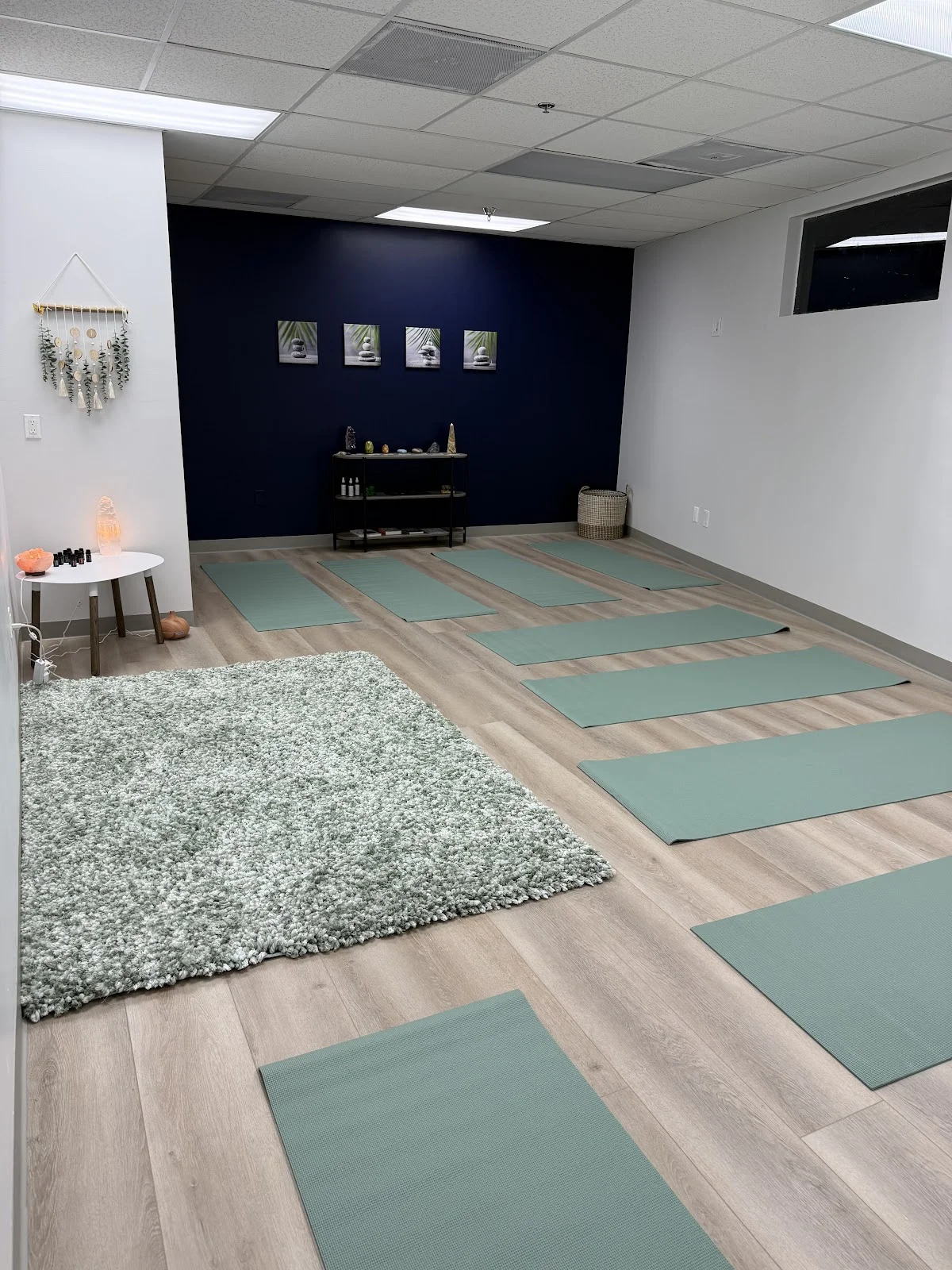
- Facility Environment: Cleanliness, safety, and comfort of the location.
- Reviews and References: Feedback from former clients or family members.
- Connection to Local Resources: Links to 988 crisis line, SAMHSA, and community support groups.
How to Verify Current Provider Details in Santa Monica
Provider information can change frequently, so verifying details before committing is crucial. Start by checking official sources such as the California Department of Health Care Services for licensing status. Many providers list their credentials and accreditations on their websites, but confirm these through third-party organizations when possible. Contact the provider directly to ask about current programs, staff, and policies. Additionally, consult local recovery resource directories and community organizations for up-to-date recommendations. If you encounter discrepancies or concerns, reaching out to SAMHSA or calling the 988 Suicide & Crisis Lifeline can provide guidance and support.
Using Local and National Resources to Support Your Search
Santa Monica residents benefit from a network of local and national organizations that can assist in finding and verifying recovery treatment options. Local community health centers and nonprofits often maintain lists of trusted providers and can offer referrals. National organizations like SAMHSA provide treatment locators and helplines to connect individuals with appropriate services. The 988 crisis line is a vital resource for immediate mental health support and can also guide callers toward treatment resources. Exploring these avenues can complement your research and help ensure you select a reputable program.
Additional Considerations When Choosing Recovery Resources
Beyond verifying credentials and services, consider your personal needs and preferences. Factors such as program length, cultural competence, gender-specific options, and proximity to home or work can influence your experience. If you have co-occurring mental health conditions, ensure the provider offers integrated care. Also, inquire about family involvement policies if support from loved ones is important. Remember that recovery is a journey, and finding a program that aligns with your values and goals can enhance your chances of success. For more information on local support options, visit Santa Monica AA meetings or explore sober living resources available in the area.
Choosing the right recovery treatment resource in Santa Monica requires careful comparison and verification. By asking targeted questions, using a practical checklist, and consulting trusted local and national organizations, you can make informed decisions that prioritize your safety and long-term wellness. Remember to verify provider details regularly and seek qualified medical supervision for detox or withdrawal. For immediate assistance or crisis support, don’t hesitate to contact the 988 Lifeline or SAMHSA. Your path to recovery is unique—take the time to find the resources that best support your journey.
Sober Network is a directory, not an intake form. Explore local facilities and contact providers directly.