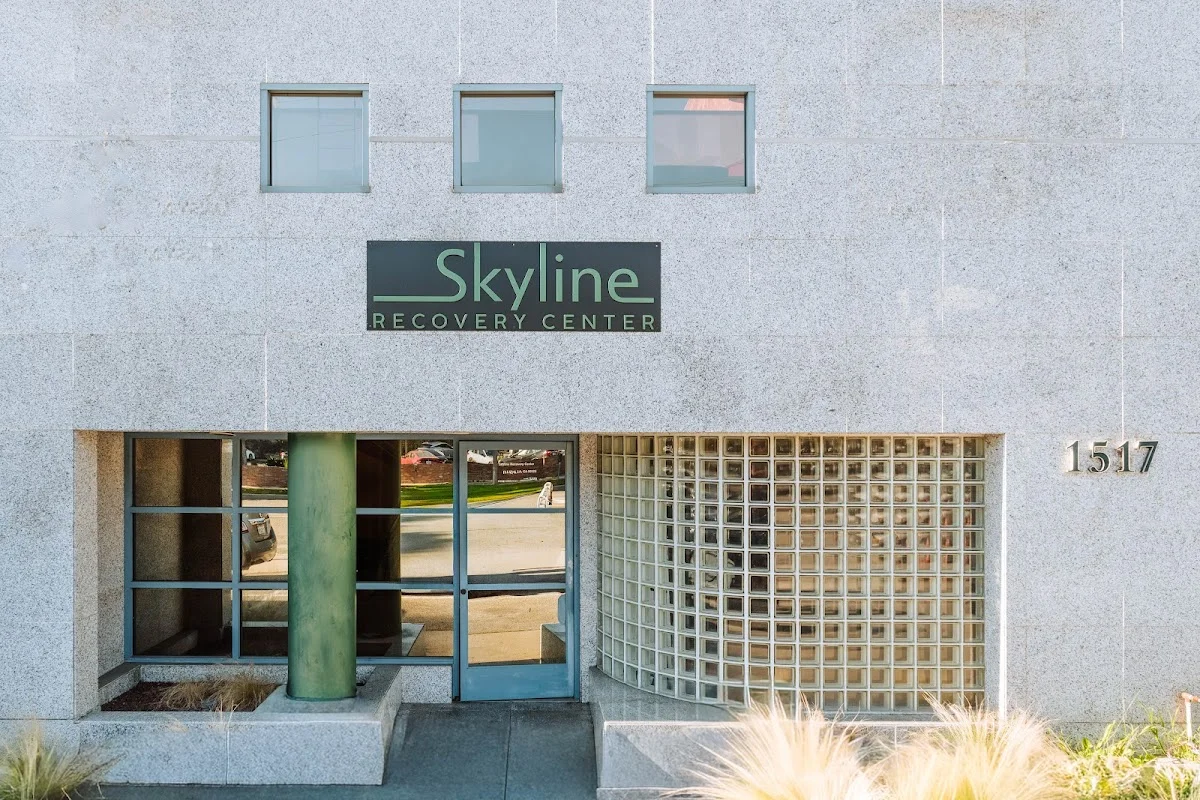
Embarking on the journey of recovery from drug and alcohol addiction in Santa Monica can be both daunting and hopeful. With a variety of treatment options available, it's important for individuals seeking help to understand their choices and find the right fit for their needs. This guide aims to provide an overview of the resources and facilities dedicated to helping those struggling with substance use disorders.
Understanding Addiction Treatment in Santa Monica
Treatment for addiction is not a one-size-fits-all approach; it varies based on individual needs, circumstances, and preferences. In Santa Monica, there are numerous treatment centers that offer various levels of care, including detoxification, residential treatment, outpatient programs, and aftercare support. Each type of program has its own benefits and may be more suitable for certain individuals depending on the severity of their addiction and personal health conditions.
Choosing the Right Treatment Center
Selecting a treatment center is a crucial step in recovery. It's important to consider factors such as the facility’s philosophy, treatment methods, staff qualifications, and whether it aligns with your specific needs. Many centers offer personalized assessments to help determine which level of care would be most beneficial.
Key Considerations
- Treatment Philosophy: Look for a center that offers evidence-based treatments such as cognitive-behavioral therapy (CBT), motivational interviewing, and medication-assisted treatment (MAT).
- Certifications and Licenses: Ensure the facility is licensed by state regulatory bodies and accredited by national organizations.
- Staff Qualifications: Check that counselors are trained in addiction counseling and have relevant certifications.
- Aftercare Programs: A strong aftercare plan can significantly increase your chances of long-term recovery. Look for centers offering continued support through alumni programs, sober living homes, or ongoing therapy sessions.
Detoxification: The First Step in Recovery
The process of detoxification is often the first step towards sobriety and involves safely removing toxins from your body while managing withdrawal symptoms. This can be a challenging time, both physically and emotionally. It's crucial to undergo medical detox under professional supervision to ensure safety and comfort.
Why Medical Detox?
- Safety: A medically supervised detox ensures that any complications or severe withdrawal symptoms are addressed promptly by healthcare professionals.
- Comfort: Medications may be used to alleviate discomfort, making the process more tolerable.
- Preparation for Treatment: Detox prepares you mentally and physically for further treatment such as therapy and counseling.
If you're considering detoxification, it's important to consult with a qualified medical professional who can assess your needs and recommend the appropriate level of care. Remember, attempting to detox alone without proper supervision can be dangerous.
Support Networks: The Importance of Community in Recovery
Recovery is not just about overcoming addiction; it's also about building a new life that supports sobriety. Support networks play a critical role in this process by providing encouragement, accountability, and companionship throughout recovery.
Types of Support Networks:
- 12-Step Programs: Organizations like Alcoholics Anonymous (AA) and Narcotics Anonymous (NA) offer peer support through regular meetings led by individuals in recovery.
- Counseling Groups: Both individual and group therapy sessions can provide professional guidance tailored to your specific challenges.
- Families and Friends: Engaging loved ones in the recovery process can strengthen relationships and create a supportive environment at home.
Building these connections is essential for long-term success. They offer a sense of belonging and remind you that you're not alone on this journey.
Utilizing National Resources for Recovery Support
In addition to local treatment centers, several national resources are available to support your recovery efforts:
- National Suicide Prevention Lifeline (988): For immediate crisis intervention and emotional support, dial 988. This service is available 24/7.
- SAMHSA Treatment Locator: The Substance Abuse and Mental Health Services Administration provides a searchable database of treatment facilities across the United States.
These resources can offer additional guidance, support, and information as you navigate your recovery journey.
Contacting Qualified Providers for Personalized Guidance
The best way to find out if a treatment center is right for you is by contacting them directly. Each facility will have its own process for intake and assessment, which can help determine the most appropriate level of care based on your unique situation.
When reaching out, don't hesitate to ask questions about their programs, staff qualifications, success rates, and any other concerns you may have. This information can help you make an informed decision that aligns with your personal goals for recovery.
Remember, the path to recovery is unique for everyone. What works for one person might not work for another. The key is finding a supportive environment where you feel comfortable and understood.
If you or someone you know needs immediate help due to an emergency situation related to substance use, please contact local emergency services immediately.
Sober Network is a directory, not an intake form. Explore local facilities and contact providers directly.