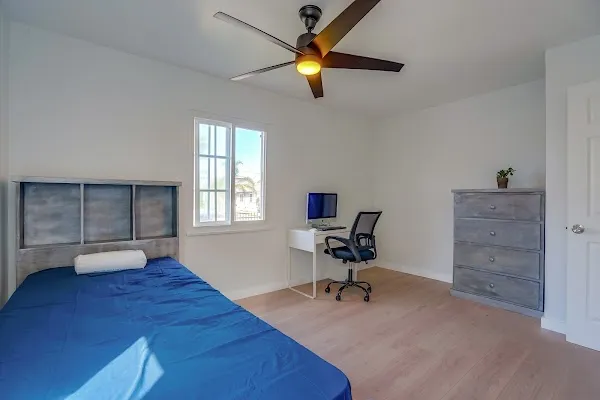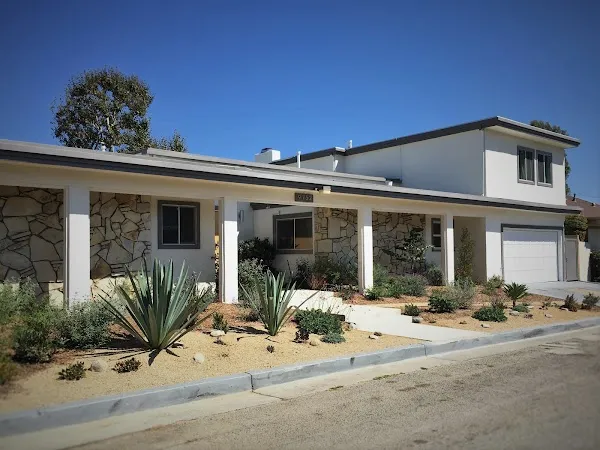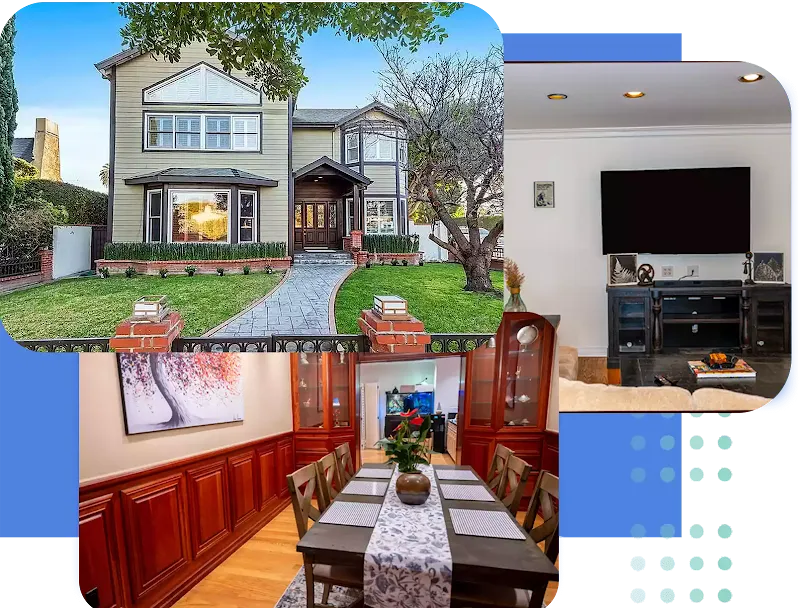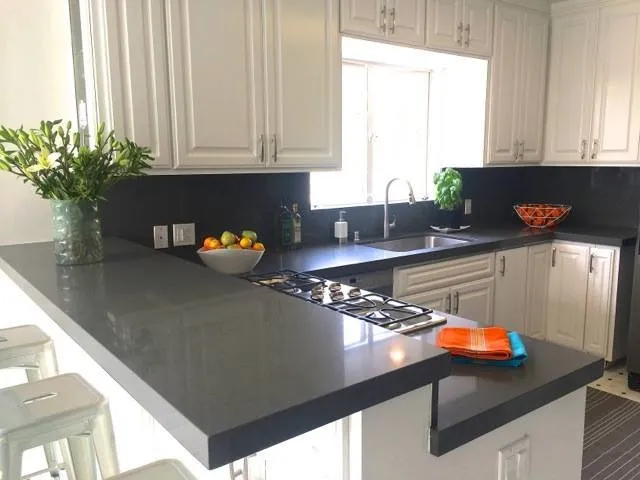
Santa Monica, CA, is a vibrant city known for its beautiful beaches and scenic views, but it also serves as a crucial hub for addiction treatment. For those seeking recovery, understanding the landscape of addiction treatment centers in this area is essential. This comprehensive guide will explore the types of treatment centers available, how to evaluate their quality, what to expect during admission, and the resources available for sustainable recovery.
Types of Treatment Centers
In Santa Monica, various types of addiction treatment centers cater to different needs and preferences:
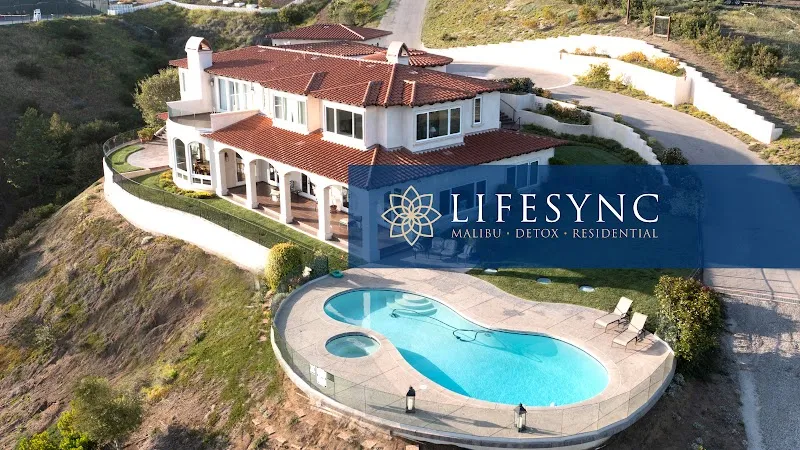
- Residential Treatment Centers (RTC): These facilities provide round-the-clock care in a supportive environment. Ideal for individuals requiring intensive support, RTCs often focus on holistic healing.
- Partial Hospitalization Programs (PHP): PHPs offer a structured treatment schedule while allowing patients to return home in the evenings. This option is suitable for individuals with strong support systems at home.
- Intensive Outpatient Programs (IOP): IOPs provide flexible treatment schedules, allowing individuals to attend therapy sessions multiple times a week while maintaining their daily responsibilities.
How to Evaluate Quality of Care
Choosing the right treatment center is a vital step towards recovery. Here are some factors to consider when evaluating the quality of care:
- Staff Credentials: Look for centers with licensed and experienced professionals, including doctors, therapists, and support staff.
- Patient-to-Staff Ratio: A lower ratio often indicates more personalized attention and care.
- Evidence-Based Practices: Ensure that the facility employs treatment methods supported by research and proven effective.
- Client Testimonials: Reading reviews or testimonials from former patients can provide insight into the quality of care and overall experience.
Accreditation
Reputable treatment centers should hold accreditation from recognized organizations, which ensures they meet specific quality standards:
- CARF (Commission on Accreditation of Rehabilitation Facilities): This organization evaluates and accredits rehabilitation programs based on several quality standards.
- Joint Commission: An accreditation from the Joint Commission signifies that the facility adheres to high standards of care and safety.
What to Expect During Admission
The admission process can be daunting, but understanding what to expect can ease anxiety:
- Initial Assessment: You will undergo a comprehensive assessment, which may include medical history, substance use history, and mental health evaluation.
- Personalized Treatment Plan: Based on the assessment, a treatment plan tailored to your specific needs will be developed.
- Orientation: You’ll receive information about the facility, treatment protocols, and what daily life will be like during your stay.
Average Cost and Length of Stay
The cost and duration of treatment can vary significantly based on the type of program:
- Residential Treatment: Typically ranges from $10,000 to $30,000 per month, with stays usually lasting 30 to 90 days.
- Partial Hospitalization Programs: Costs may range from $350 to $800 per day, and programs generally last 2 to 4 weeks.
- Intensive Outpatient Programs: IOPs may cost between $250 and $500 per week, with durations varying from a few weeks to several months.
Insurance-Accepted Facilities in Santa Monica
Many addiction treatment centers in Santa Monica accept insurance, which can significantly offset costs. Major insurance providers often accepted include:
- Blue Cross Blue Shield
- United Healthcare
- Aetna
- Anthem
- Medicare/Medicaid
State-Funded Options
For those who may not have insurance, state-funded programs are available. These facilities often provide sliding scale fees based on income and may offer essential services at little or no cost. Contact local health departments or community organizations for more information on state-funded resources.
Aftercare Planning
Aftercare is crucial for maintaining sobriety after completing a treatment program. Here are some aspects to consider:
- Sober Living Homes: These provide a supportive environment for individuals transitioning back into daily life.
- Support Groups: Programs like Alcoholics Anonymous (AA) or Narcotics Anonymous (NA) can offer community and ongoing support.
- Continued Therapy: Ongoing therapy sessions can help individuals navigate life’s challenges post-treatment.
How to Get Started
Starting your recovery journey can feel overwhelming, but taking the first step is essential:
- Reach Out for Help: Contact a treatment center directly or speak to a healthcare professional to discuss your options.
- Gather Information: Research different facilities, their programs, and the types of care they provide.
- Prepare for Admission: Be ready for your assessment by reflecting on your substance use history and what you hope to achieve in treatment.
Embarking on the path to recovery is a courageous decision. By understanding your options and resources available in Santa Monica, you can take meaningful steps towards a healthier, substance-free life.
More Recovery Resources in Santa Monica
Sober Network is a directory, not an intake form. Explore local facilities and contact providers directly.