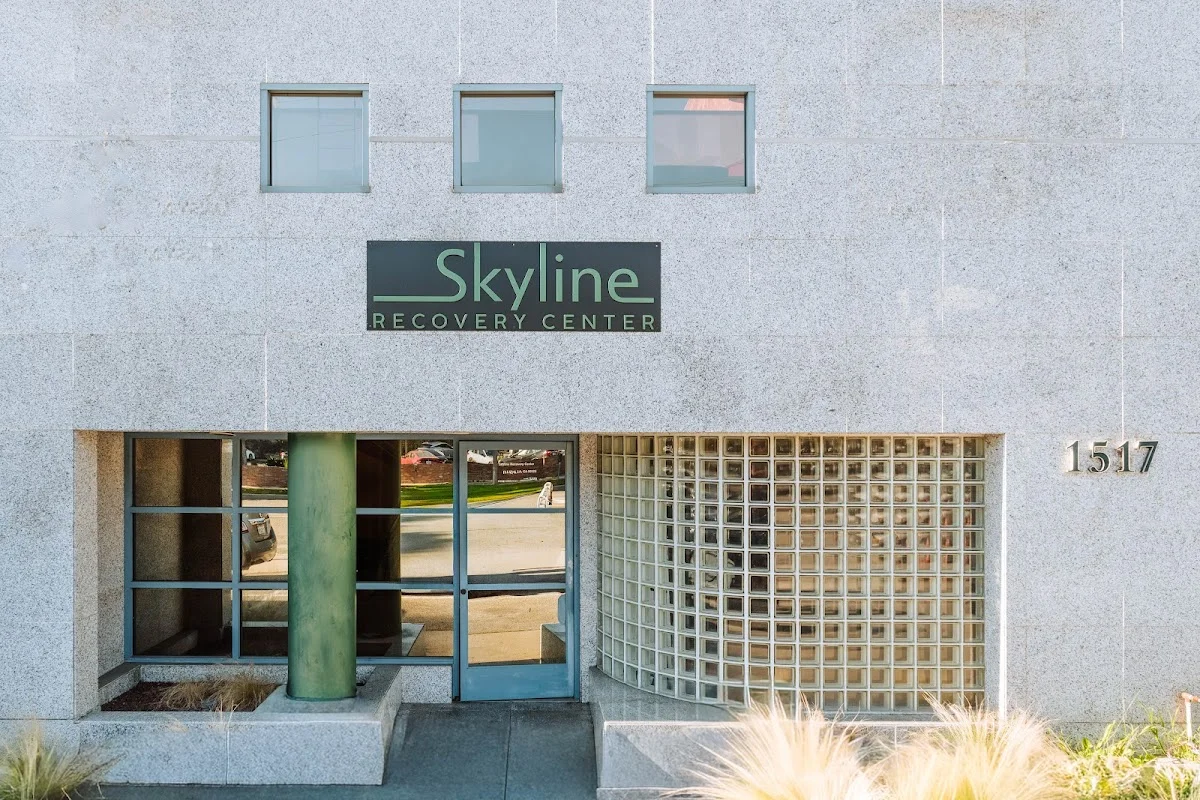
Understanding insurance coverage for addiction treatment and rehab is a crucial step in the recovery journey, especially in Santa Monica, CA, where resources and options abound. This guide aims to clarify the complexities surrounding insurance, shedding light on the Mental Health Parity Act, major insurers, and various coverage options available to individuals seeking help. It will also provide practical action steps for verifying benefits, navigating the appeals process, and exploring options for uninsured patients.
Mental Health Parity Act
The Mental Health Parity Act is a federal law that mandates equal treatment of mental health and substance use disorder services compared to medical and surgical services. This means that insurance companies must provide the same level of coverage for addiction treatment as they do for other medical conditions. In California, this law is reinforced by the California Parity Law, ensuring broader access to necessary treatment.
Major Insurers and Coverage Options
In Santa Monica, several major insurers offer coverage for addiction treatment. Here’s a look at how some of the leading providers handle addiction services:
- Aetna: Offers comprehensive coverage for detox, inpatient rehab, outpatient services, and medication-assisted treatment (MAT). They emphasize in-network providers for reduced costs.
- Blue Cross Blue Shield (BCBS): Provides extensive addiction treatment coverage, including outpatient counseling and inpatient rehabilitation. They also have a dedicated helpline for support.
- Cigna: Covers a variety of treatment options, including detox, inpatient, outpatient, and MAT. They focus on integrated care, combining mental health and addiction services.
- UnitedHealthcare: Offers robust coverage for addiction treatment, including residential programs and outpatient therapies. They also provide online tools for finding in-network providers.
- Humana: Covers detoxification services, inpatient rehab, outpatient programs, and MAT. Their plans often include access to support groups and counseling services.
Medicaid and Medicare Coverage
Both Medicaid and Medicare offer coverage for addiction treatment, catering to specific populations:
- Medicaid: California’s Medicaid program (Medi-Cal) covers a wide range of addiction treatment services, including detox, inpatient rehabilitation, outpatient services, and MAT. Eligibility is based on income and other factors.
- Medicare: Medicare provides coverage for inpatient and outpatient substance use disorder treatment. Medicare Part A covers inpatient services, while Part B covers outpatient treatment and counseling.
How to Verify Benefits
Verifying your insurance benefits is a crucial step before seeking treatment. Here’s how to do it:
- Contact your insurance provider directly via their customer service number.
- Ask specific questions about your coverage for addiction treatment, including deductibles, co-pays, and limits on services.
- Request information about in-network vs. out-of-network providers and any pre-authorization requirements.
- Document the information provided, including the representative's name and date of the conversation for future reference.
What is Typically Covered?
Most insurance plans cover a range of services related to addiction treatment, including:
- Detox: Medical supervision during withdrawal to ensure safety and comfort.
- Inpatient Rehabilitation: Comprehensive treatment in a residential setting, often lasting 30-90 days.
- Outpatient Services: Flexible treatment options allowing patients to attend therapy sessions while living at home.
- Medication-Assisted Treatment (MAT): Use of medications combined with counseling to treat opioid and alcohol dependence.
The Appeals Process for Denied Claims
If a claim for addiction treatment is denied, it’s essential to know how to appeal the decision:
- Review the denial letter carefully to understand the reasons for the denial.
- Gather supporting documentation, including treatment records and letters from healthcare providers.
- Contact your insurance company to initiate the appeals process and follow their specific guidelines.
- Submit your appeal in writing, including all relevant documentation and a clear explanation of why the treatment should be covered.
- Keep copies of all correspondence and follow up as needed.
Options for Uninsured Patients
If you are uninsured, there are still options available to receive addiction treatment:
- Sliding Scale Fees: Many treatment centers offer services based on income, making care more accessible for those with financial constraints.
- Scholarships and Grants: Some facilities provide scholarships or grants to cover the cost of treatment. Research local programs and inquire about availability.
- State-Funded Programs: California offers various state-funded programs that can provide free or low-cost treatment to those who qualify.
Conclusion
Navigating insurance coverage for addiction treatment in Santa Monica, CA, can be complex, but understanding your rights and options is a critical step in the recovery process. Always take the initiative to verify your benefits, explore available resources, and seek help when needed. Remember, recovery is possible, and support is available.
More Recovery Resources in Santa Monica
Sober Network is a directory, not an intake form. Explore local facilities and contact providers directly.