Recovery from addiction is a courageous journey that requires ongoing commitment and vigilance. For individuals in recovery living in Santa Monica, CA, understanding relapse prevention strategies is crucial to maintaining sobriety. This guide will explore the stages of relapse, common triggers in the Santa Monica environment, and effective tools and techniques to support your recovery journey.
Understanding the Stages of Relapse
Relapse is often viewed as a single event, but it can be broken down into three distinct stages: emotional, mental, and physical.
Emotional Relapse
During emotional relapse, individuals may not be actively thinking about using substances, but their emotions and behaviors set the stage for a potential relapse. Signs of emotional relapse can include:
- Increased stress or anxiety
- Isolation from support networks
- Neglecting self-care or recovery activities
Mental Relapse
In the mental relapse stage, thoughts of using substances begin to surface. This may involve romanticizing past use or minimizing the consequences of addiction. Signs include:
- Daydreaming about using
- Planning how to use again
- Surrounding oneself with old friends who use
Physical Relapse
The final stage is physical relapse, which occurs when an individual actually uses substances again. Recognizing the earlier stages can empower you to take action before reaching this point.
Common Triggers in the Santa Monica Environment
Living in Santa Monica presents unique challenges and triggers that can impact recovery. Being aware of these triggers can help you navigate your surroundings more effectively. Common triggers include:
- Social gatherings where alcohol is present
- Stressful beach or nightlife environments
- Visiting places associated with past substance use
- Peer pressure from friends or acquaintances
Creating a Personal Relapse Prevention Plan
A personalized relapse prevention plan is essential for maintaining sobriety. Here are steps to create your own:
- Identify Triggers: Reflect on situations, people, or emotions that increase your cravings.
- Develop Coping Strategies: Outline techniques to deal with cravings when they arise.
- Set Goals: Establish short-term and long-term recovery goals to stay motivated.
- Regularly Review Your Plan: Update your plan as you encounter new challenges or changes in your environment.
The HALT Acronym
The HALT acronym is a useful tool for self-assessment and prevention:
- Hunger: Ensure you are eating nutritious meals regularly. Poor nutrition can lead to mood swings and cravings.
- Anger: Address feelings of anger or resentment through healthy expression and communication.
- Loneliness: Combat loneliness by staying connected with your support network.
- Tiredness: Prioritize rest and self-care to prevent exhaustion and irritability.
Building a Support Network
Having a strong support network is vital for recovery. Here are ways to build your network:
- Participate in local support groups such as Alcoholics Anonymous (AA) or Narcotics Anonymous (NA).
- Engage with friends and family who support your recovery journey.
- Seek out a sponsor or mentor who can provide guidance and accountability.
- Utilize online recovery communities for additional support and connection.
Utilizing Santa Monica Recovery Community Resources
Santa Monica offers numerous resources to support recovery. Consider exploring:
- Local Recovery Meetings: Check the schedule for AA and NA meetings in the area.
- Therapy and Counseling Services: Look for local therapists specializing in addiction recovery.
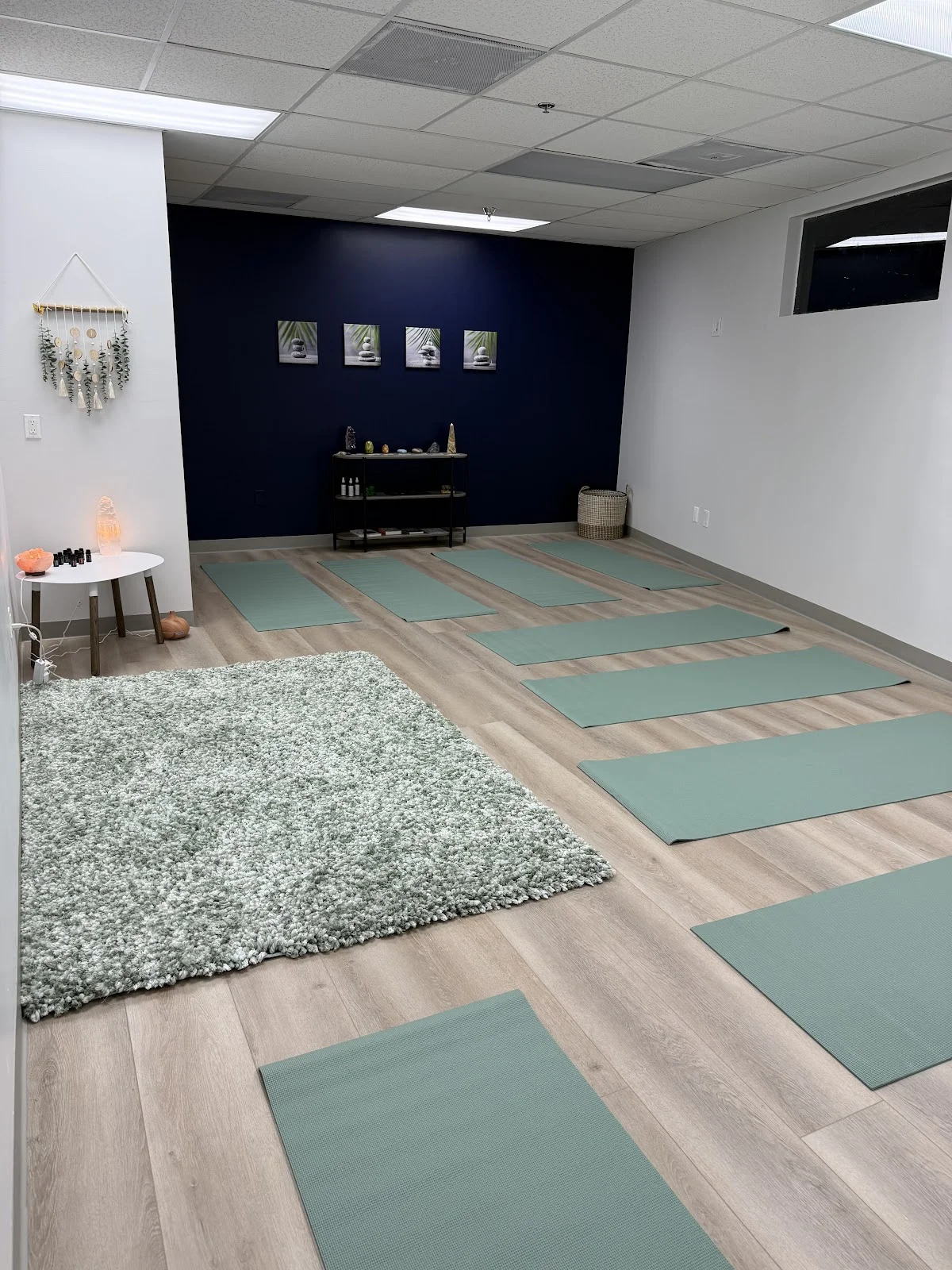
- Wellness Programs: Participate in yoga, meditation, or fitness classes that promote mental and physical health.
What to Do If You Slip
If you experience a slip, it’s crucial to take immediate action:
- Recognize that a slip does not define your entire recovery journey.
- Reach out to your support network for immediate assistance and accountability.
- Reflect on what led to the slip and adjust your relapse prevention plan accordingly.
- Consider seeking professional help if you feel overwhelmed or unable to cope.
Coping with Cravings
Cravings can be intense but are manageable with the right strategies. Here are some effective coping techniques:
- Practice deep breathing exercises to calm your mind.
- Engage in physical activity to release endorphins.
- Distract yourself with a hobby or creative outlet.
- Utilize visualization techniques to imagine success in your recovery.
Mindfulness and Stress Reduction Techniques
Incorporating mindfulness and stress reduction techniques into your routine can enhance your overall well-being:
- Meditation: Spend a few minutes each day in quiet reflection.
- Yoga: Join a local yoga class to promote physical and mental balance.
- Journaling: Document your thoughts and feelings to gain insight and clarity.
In conclusion, understanding relapse prevention strategies is essential for anyone in recovery. By recognizing the stages of relapse, identifying triggers, and utilizing available resources in Santa Monica, you can build a robust support system and maintain your commitment to sobriety. Remember, every step you take towards recovery is a step towards a healthier, happier life.
More Recovery Resources in Santa Monica
Sober Network is a directory, not an intake form. Explore local facilities and contact providers directly.