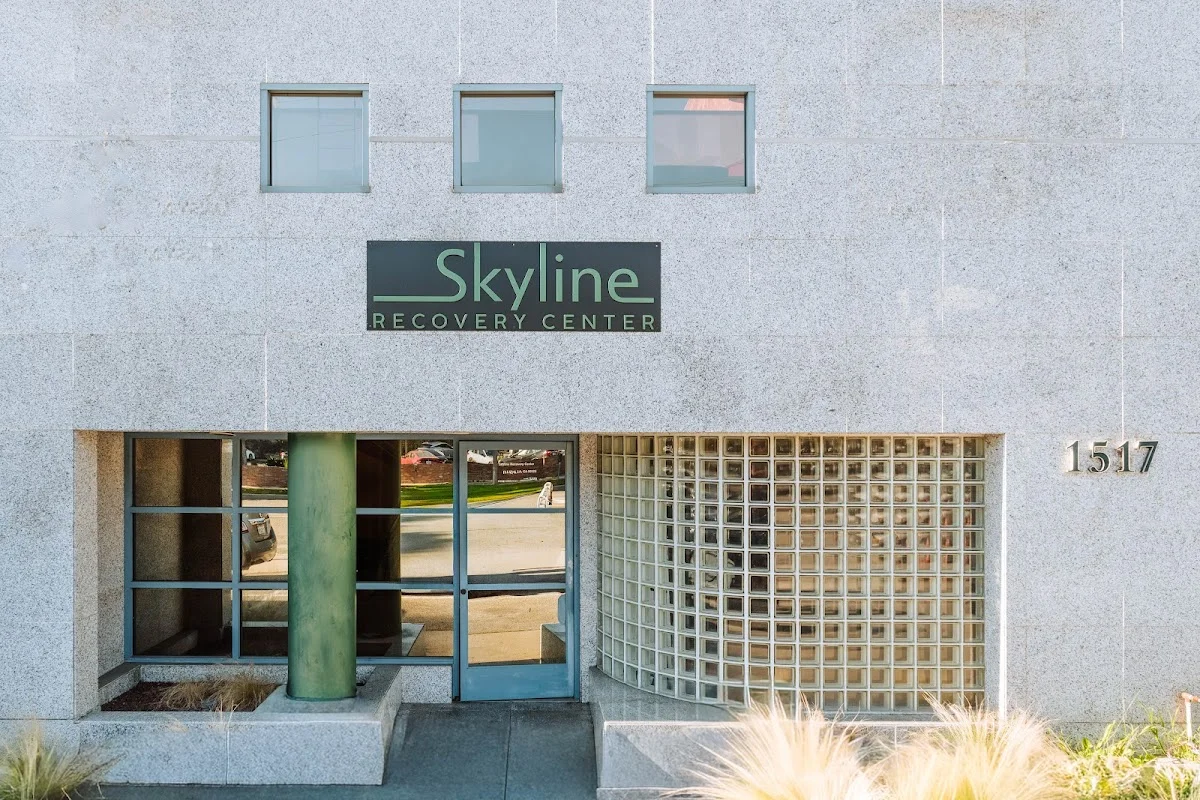
Dual diagnosis, also known as co-occurring disorders, refers to the condition where an individual experiences both a mental health disorder and a substance use disorder simultaneously. This complex situation requires specialized treatment approaches that address both issues concurrently. In Santa Monica, CA, individuals struggling with dual diagnosis can access various treatment options designed to support their recovery journey.
Understanding Dual Diagnosis
When a person has a dual diagnosis, it means that their mental health condition and substance use disorder interact in ways that can complicate treatment and recovery. Common co-occurring conditions include:
- 沮丧: Individuals may use substances to self-medicate, but this can exacerbate feelings of sadness or hopelessness.
- Anxiety disorders: Those with anxiety may turn to drugs or alcohol as a coping mechanism, leading to a cycle of dependency.
- 创伤后应激障碍(PTSD): Many individuals with PTSD may use substances to numb traumatic memories, creating a dangerous overlap.
- Bipolar disorder: The mood swings associated with bipolar disorder can lead to substance misuse as individuals seek relief from their symptoms.
为什么综合治疗至关重要
Integrated treatment is crucial for individuals with dual diagnosis as it recognizes the interconnected nature of mental health and substance use disorders. Traditional treatment models often address these issues separately, which can lead to ineffective outcomes. Here’s why integrated treatment is essential:
- Holistic approach: Integrated treatment considers the whole person, rather than isolating symptoms of either disorder.
- Improved outcomes: Treating both conditions simultaneously can lead to more successful recovery rates and reduced relapse.
- Coordinated care: Integrated programs provide a team of professionals who work collaboratively to ensure that all aspects of treatment are aligned.
- Personalized treatment plans: Each individual’s experience is unique, and integrated treatment allows for tailored strategies that address specific needs.
Finding Dual Diagnosis Programs in Santa Monica
Santa Monica offers a variety of dual diagnosis treatment programs tailored to meet the needs of individuals facing these challenges. Here are some ways to find the right program:
- Research local facilities: Look for treatment centers in Santa Monica that specialize in dual diagnosis. Websites often provide detailed information about services offered.
- Consult healthcare professionals: Speak with a doctor or therapist who can recommend reputable dual diagnosis programs in your area.
- Utilize online directories: Websites like SAMHSA’s Treatment Locator can help you find accredited treatment centers that offer dual diagnosis services.
- Read reviews and testimonials: Personal experiences can provide insight into the effectiveness and atmosphere of specific treatment programs.
如何获得帮助
Taking the first step toward recovery can be daunting, but there are numerous resources available in Santa Monica to support individuals with dual diagnosis. Here’s how to get help:
- Reach out to a healthcare professional: They can conduct assessments and recommend appropriate treatment options based on your needs.
- Contact local treatment centers: Many facilities offer free consultations or assessments to help you understand your options.
- Join support groups: Organizations like Alcoholics Anonymous (AA) or Narcotics Anonymous (NA) provide community and support for those in recovery.
- Utilize hotlines: National helplines can connect you with resources and support for immediate assistance.
In conclusion, navigating the complexities of dual diagnosis requires compassion, understanding, and a commitment to integrated treatment approaches. If you or a loved one is struggling with co-occurring mental health and substance use disorders, Santa Monica offers a supportive environment and various treatment options to help guide you toward recovery. Remember, reaching out for help is the first step toward a healthier, more fulfilling life.
圣莫尼卡更多康复资源
Sober Network is a directory, not an intake form. Explore local facilities and contact providers directly.